
International and Local Organisations
-
![]()
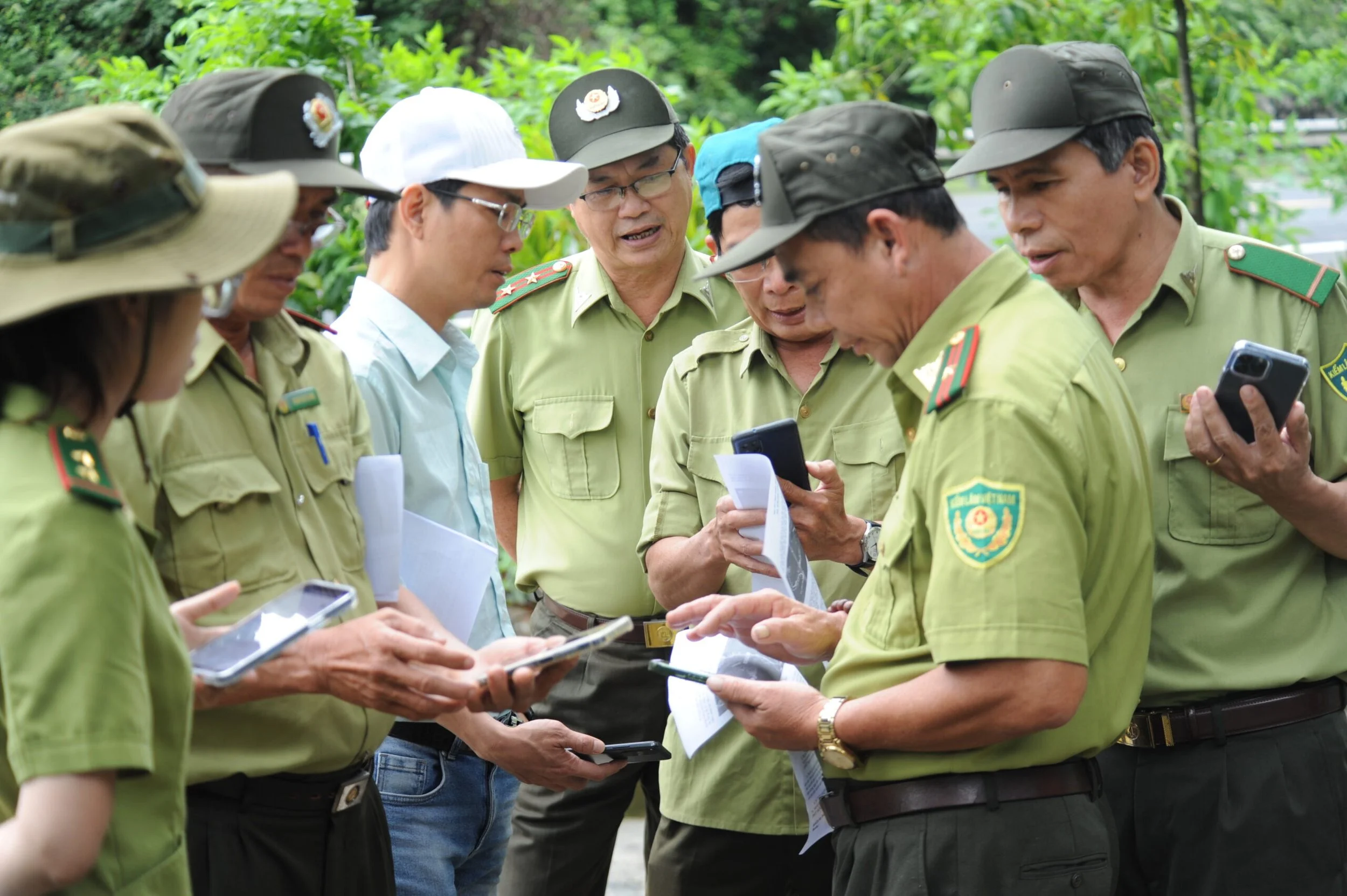
Center for Technology and Nature Conservation (Vietnam)
The Center for Technology and Nature Conservation (CTNC) is a leading non-governmental organisation in Vietnam, committed to conserving biodiversity through advanced technology and community participation.
-
![]()
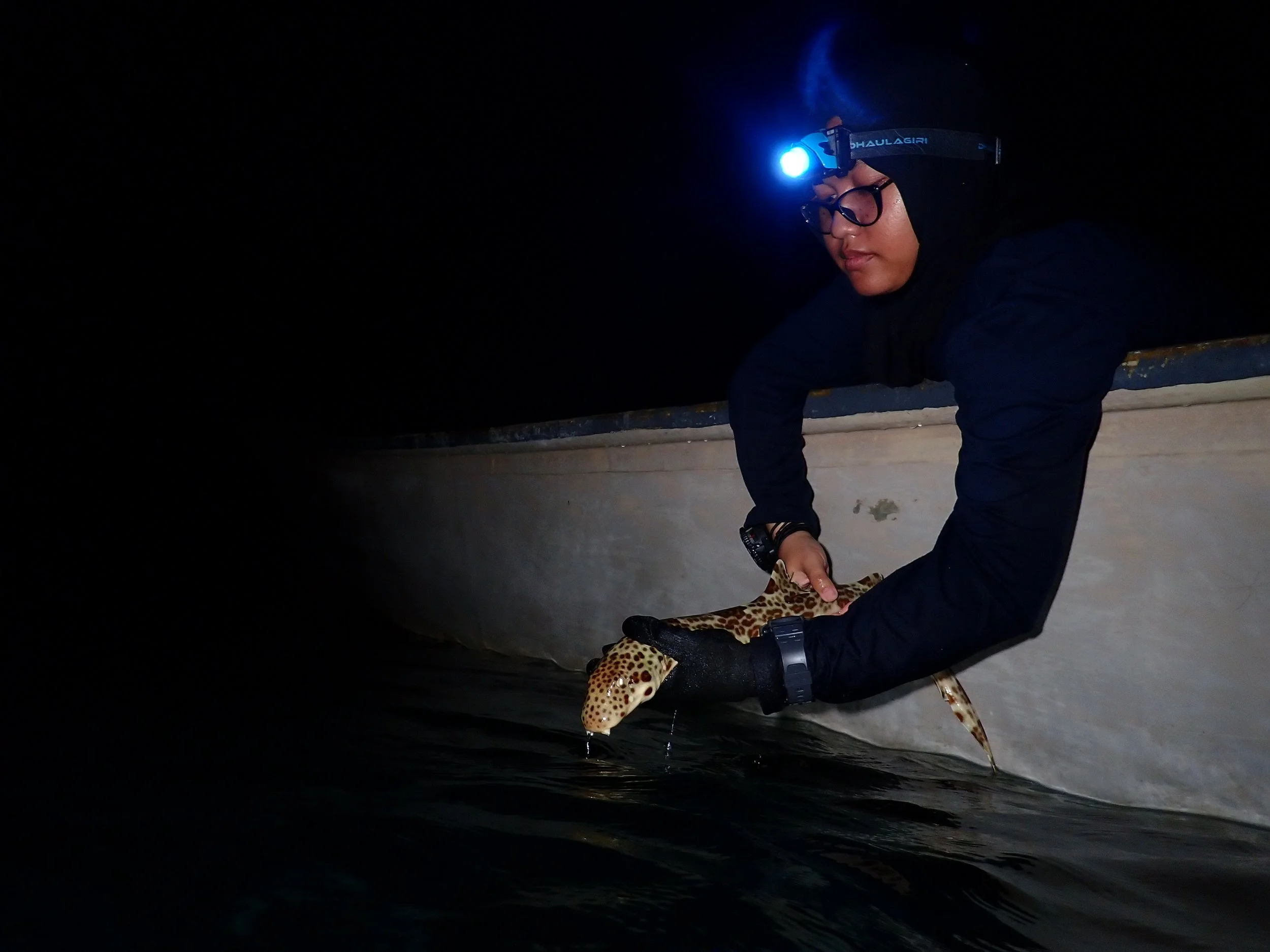
Elasmobranch Project Indonesia (Indonesia)
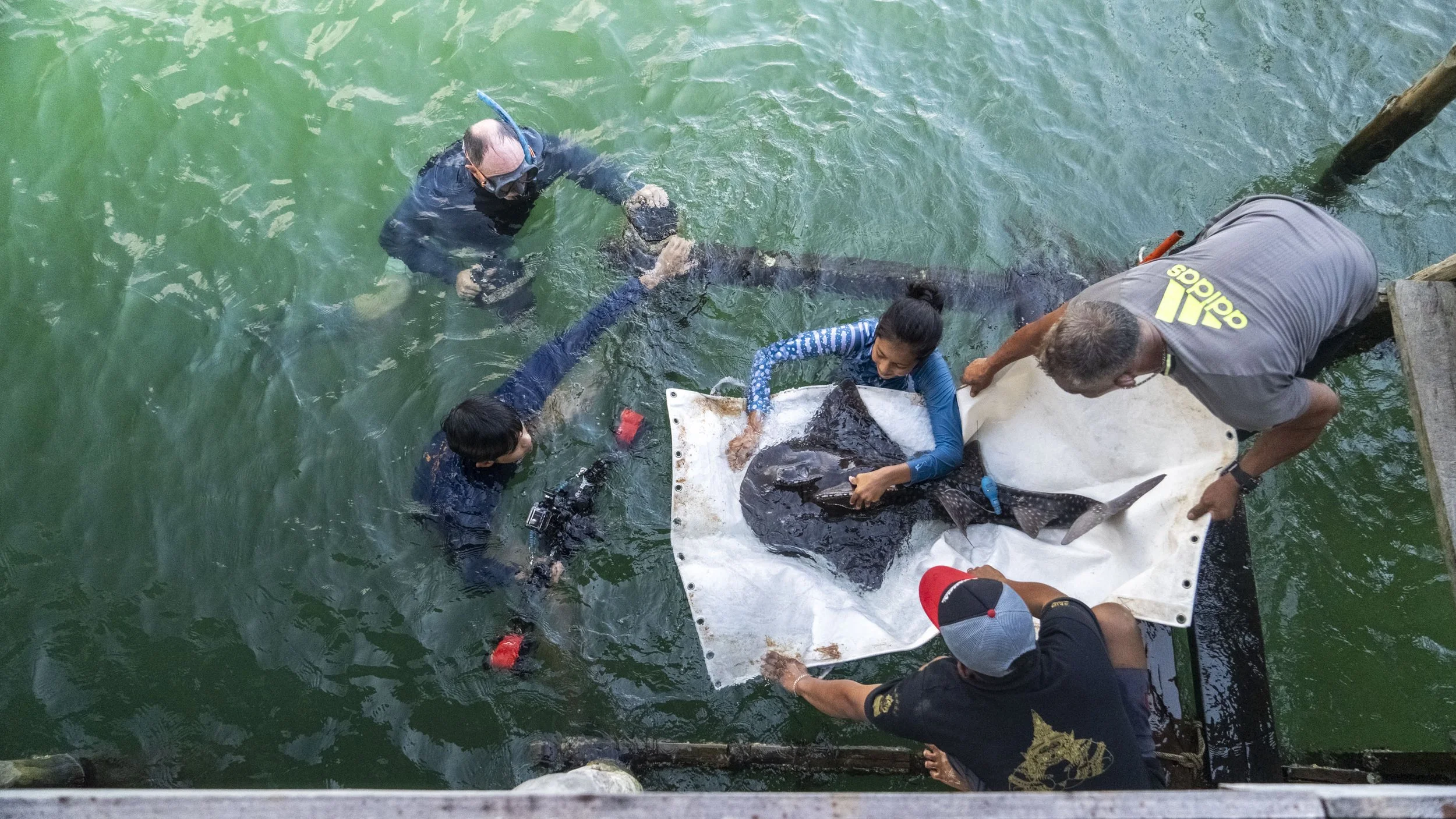
The Elasmobranch Project Indonesia is a local NGO focusing on the research and conservation of sharks and rays in Indonesia. Initially established as a web-based citizen science project to map elasmobranch diversity and distribution, they have expanded to species-specific programmes, including the Raja Ampat Epaulette Shark project in Southwest Papua.
Image credit: Elasmobranch Project Indonesia -
![]()
Fauna & Flora (Cambodia)
Fauna & Flora is a nature conservation charity protecting the diversity of life on Earth for the survival of species and habitats, the planet, and people. They work closely with local conservation partners in well over 40 countries to save nature, together.
-
![]()
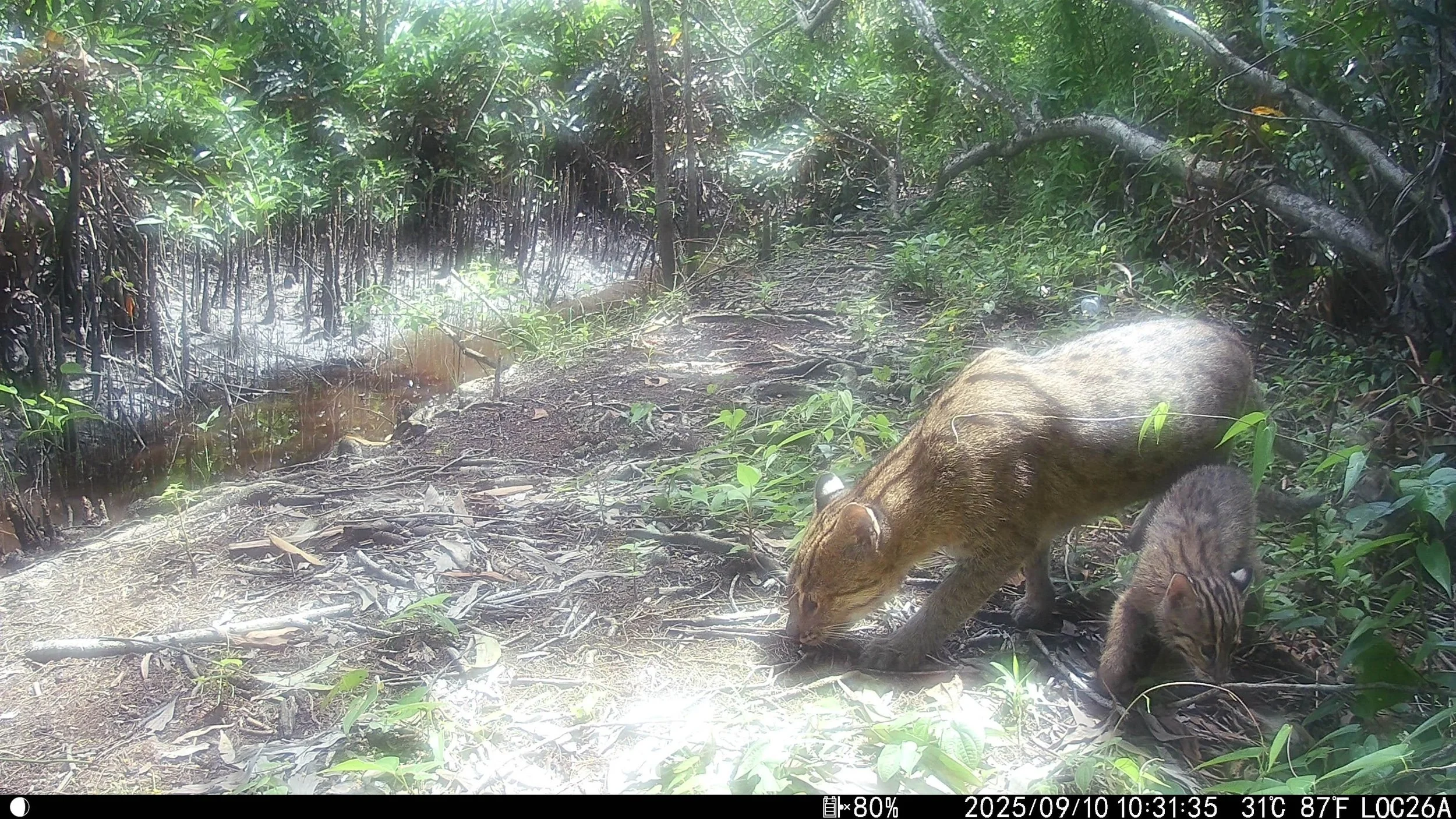
Fishing Cat Ecological Enterprise (Cambodia)
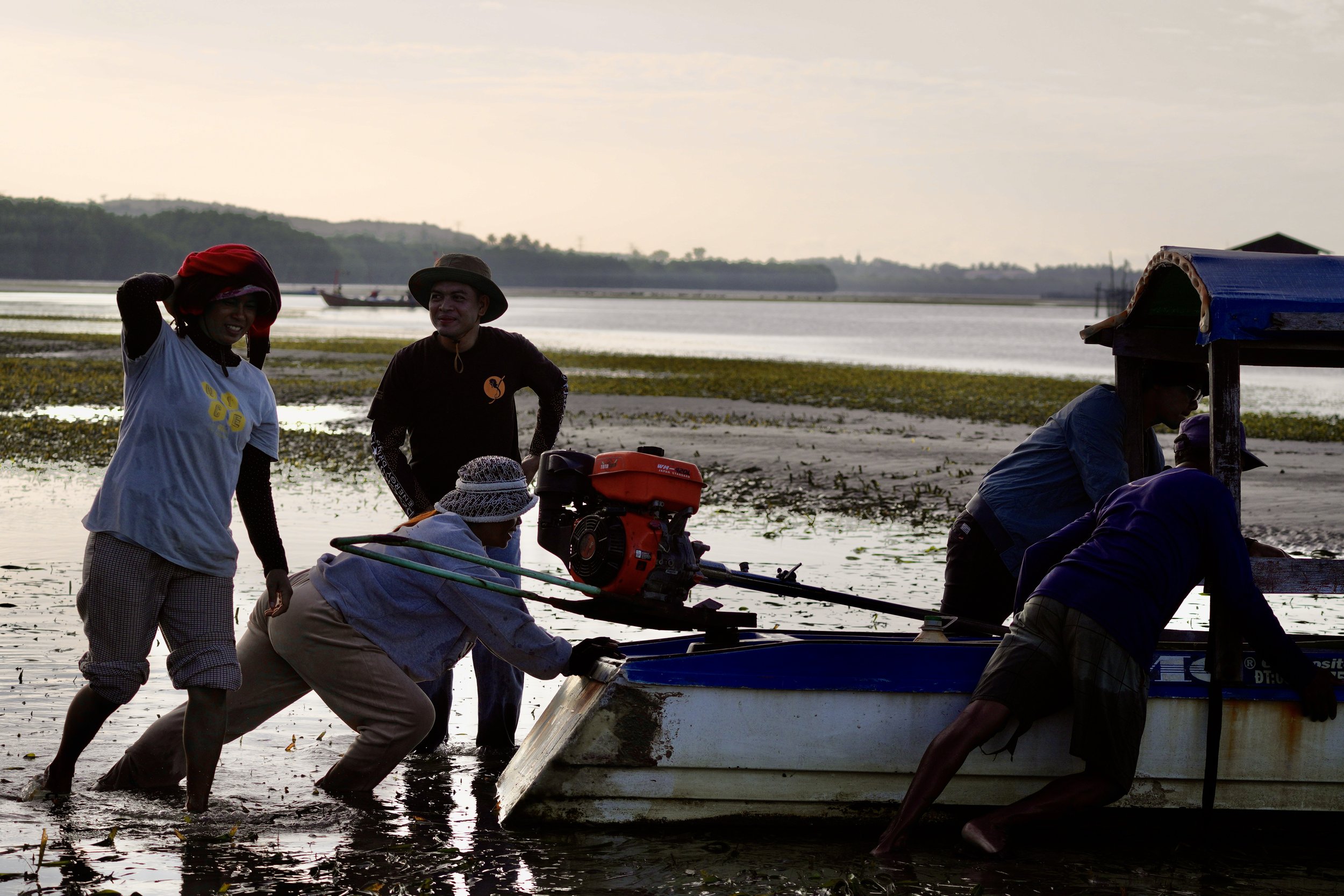
With the fishing cat as a flagship species, Fishing Cat Ecological Enterprise (FCEE) revives Cambodia’s wetlands for wildlife, people and the planet. Taking their lead from ecosystems to act for a sustainable future, FCEE monitors biodiversity, restores vital habitat and supports communities.
-
![]()
MATA Nusantara (Indonesia)
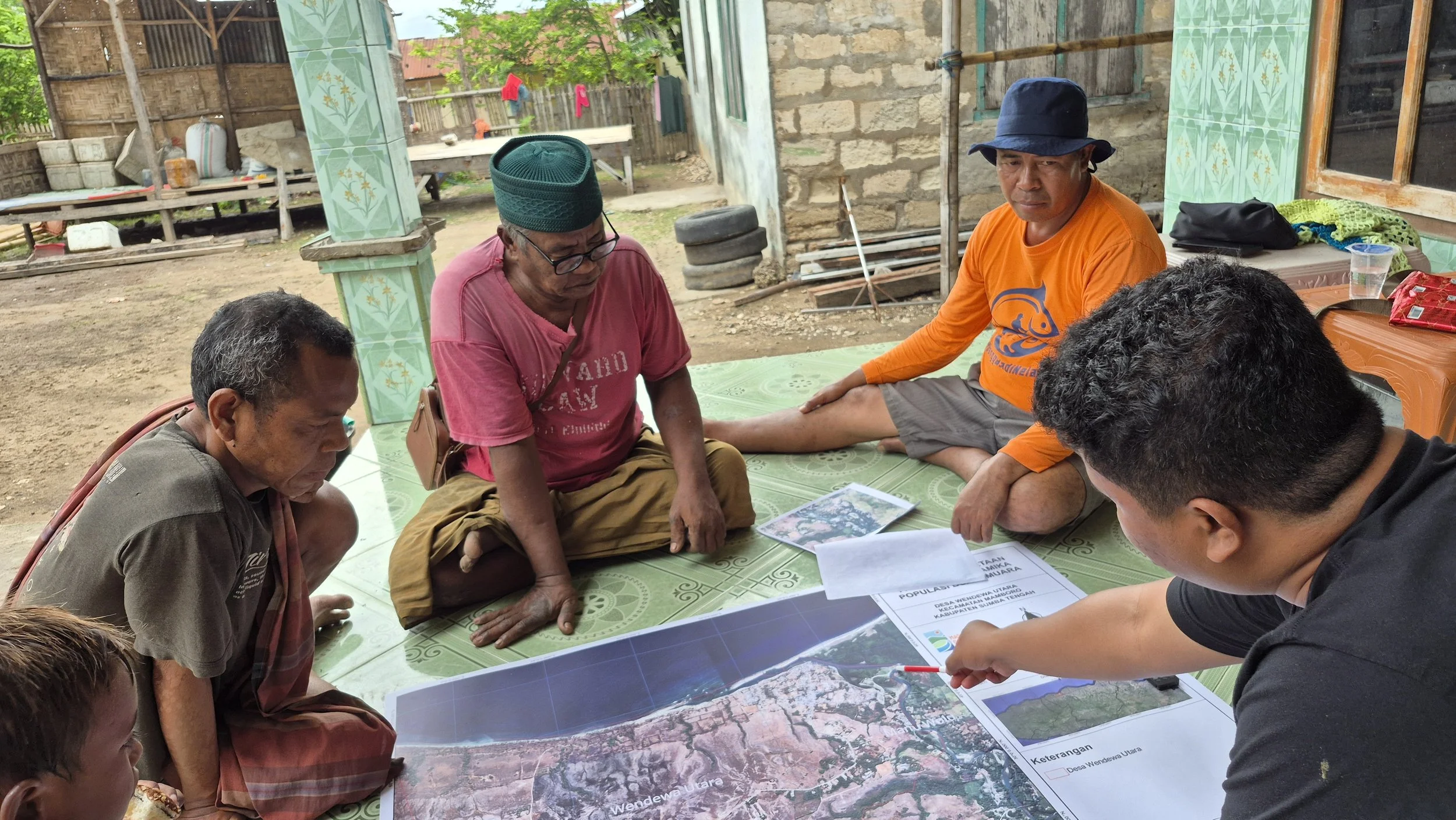
MATA Nusantara was founded in response to the urgent need for sustainable natural resource management in the face of increasing degradation and climate change impacts. The organisation links scientific research, local wisdom, and sustainable economic practices, with the goal of protecting nature while improving community wellbeing.
-
![]()
Marine Conservation Cambodia (Cambodia)
Marine Conservation Cambodia protects and conserves Cambodia’s diverse and beautiful marine ecosystems, with proactive conservation and marine research to be used in the adaptable management of marine protected and marine management areas, promoting responsible and sustainable fishing practices whilst supporting local communities and improving Cambodia’s marine resources.
-
![]()
Mongabay (Southeast Asia)
Mongabay is an independent, nonprofit media organisation reporting on nature and planetary challenges with a global network of local journalists.
-
![]()
Oceanus Conservation (Philippines)
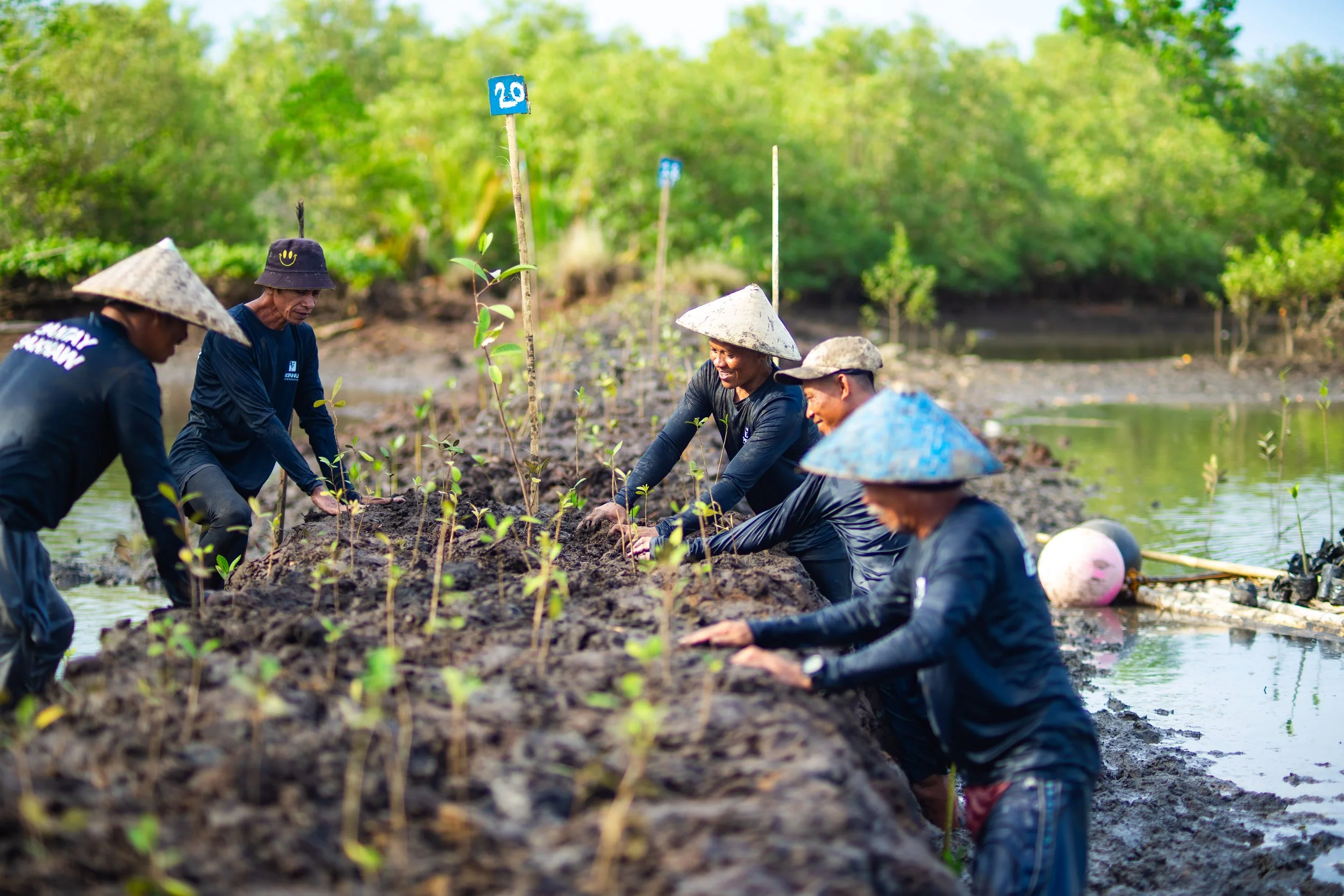
Oceanus Conservation focuses on the rehabilitation and protection of blue carbon ecosystems—particularly mangroves and seagrass—across the Philippines. Through science-based conservation, research and community partnerships, they work to restore biodiversity while supporting sustainable livelihoods for coastal communities.
-
![]()
Rare (Philippines, Indonesia)
Rare unlocks the power of people to protect nature and fight climate change. They invest in people-powered, community-led solutions grounded in a deep understanding of human needs and motivations.
-
![]()
ReShark (Indonesia)
ReShark is an innovative, international collective of aquariums, NGOs, governments, academics, and local communities dedicated to scalable shark and ray rewilding. They link ex situ and in situ shark and ray conservation efforts through breeding and conservation translocations.
-
![]()
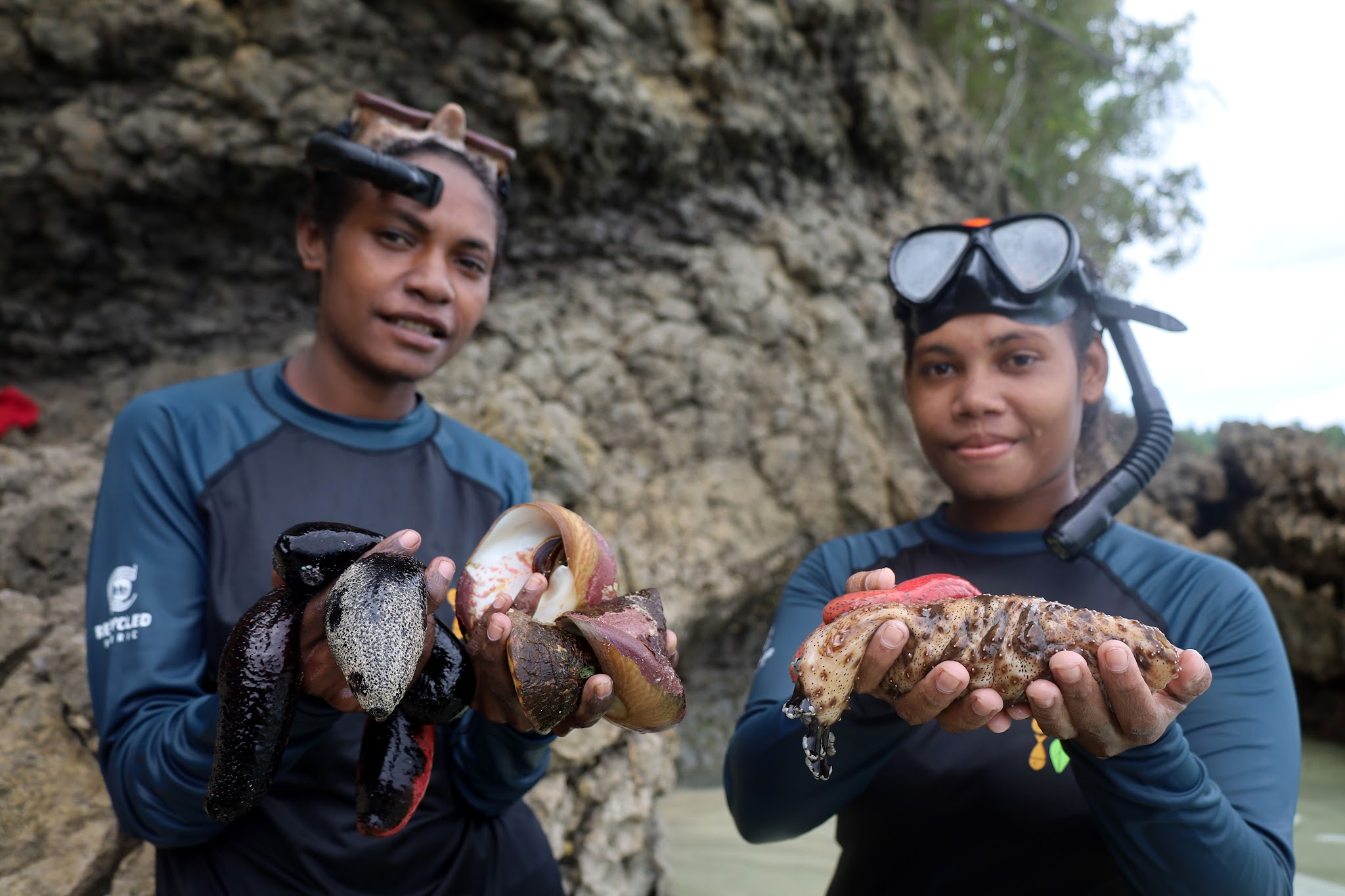
Sea Women of Melanesia (Papua New Guinea)
Sea Women of Melanesia provides Melanesian women with the training, skills, equipment, and resources they need to take an active role in helping coastal communities create and manage marine protected areas on their coral reefs.
-
![]()
Sulubaaï Environment Foundation (Philippines)
Sulubaaï Environment Foundation creates community-based marine protected areas, supporting local populations to preserve and manage their marine resources, and promote sustainable resource harvesting methods.
-
![]()
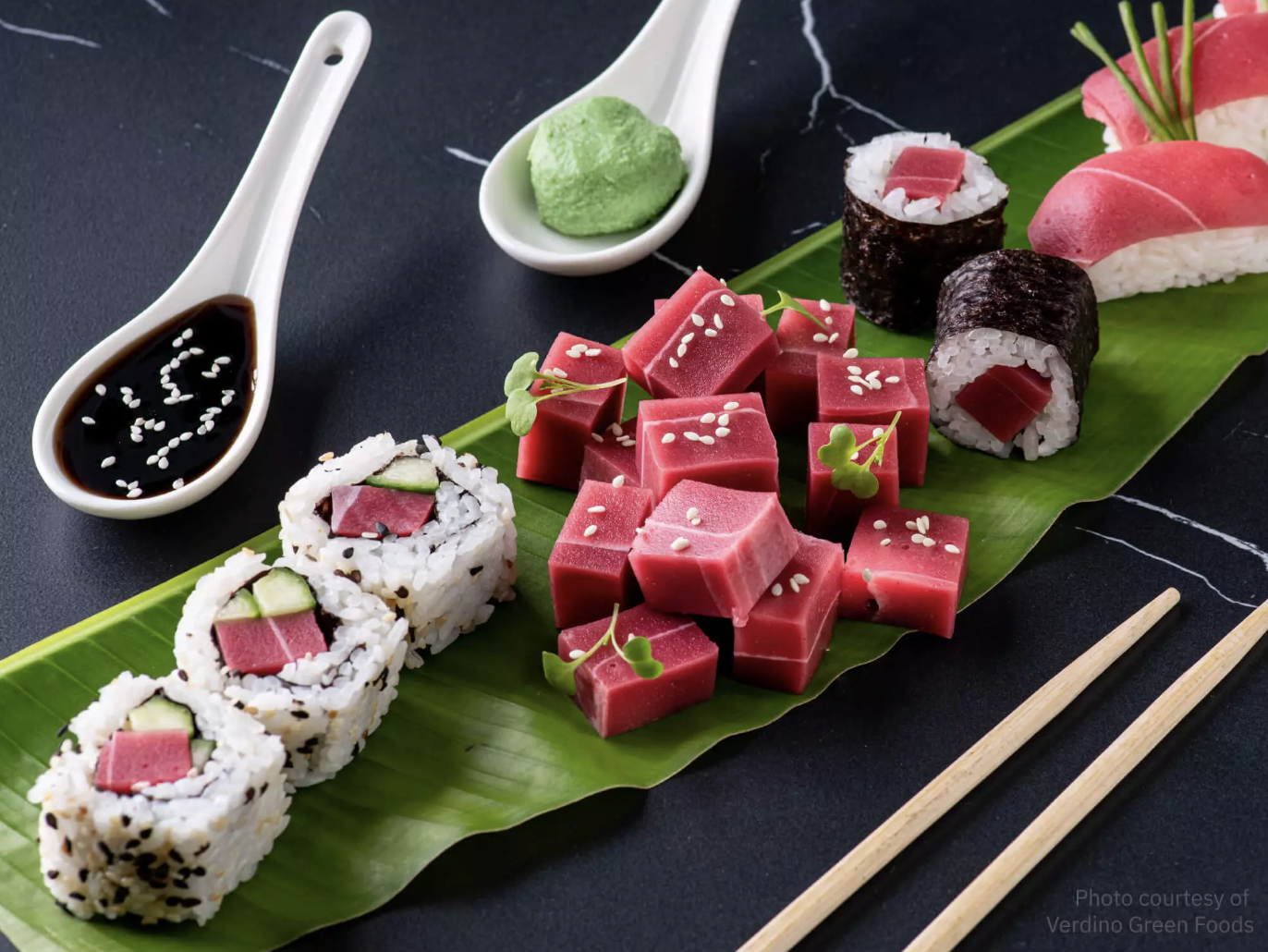
The Good Food Institute (Asia Pacific)
The Good Food Institute is a nonprofit think tank and international network of organisations working to accelerate alternative protein innovation to build a more sustainable, secure, and just food system.
-
![]()
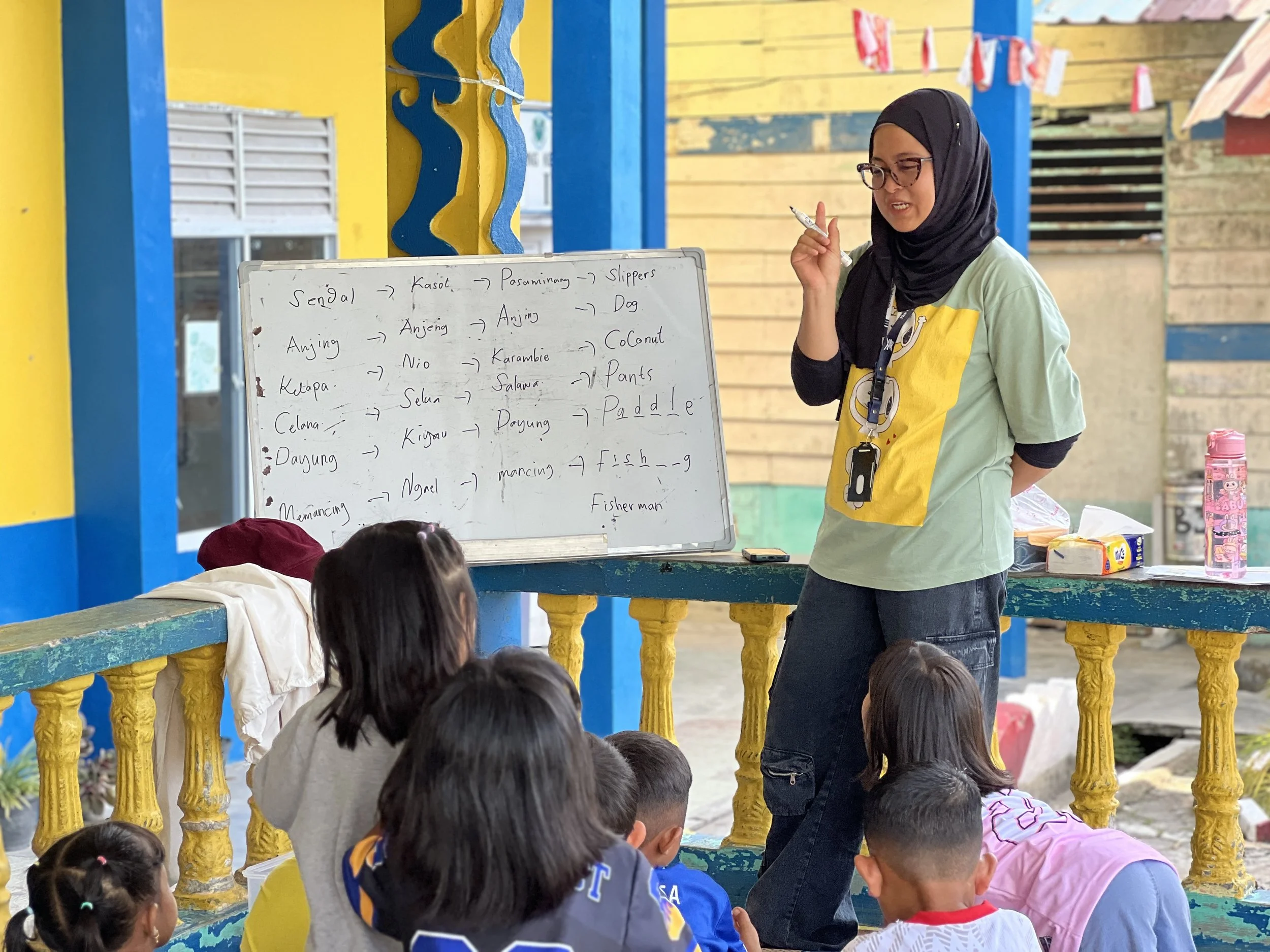
The Island Foundation (Indonesia)
The Island Foundation (TIF) strengthens learning ecosystems in small island and coastal communities across Indonesia’s Riau Islands. Working in Bintan, Lingga, and Batam, TIF expands learning opportunities for children, supports educators, engages villages, and pilots a Mobile Learning Programme for Orang Laut communities.
-
![]()
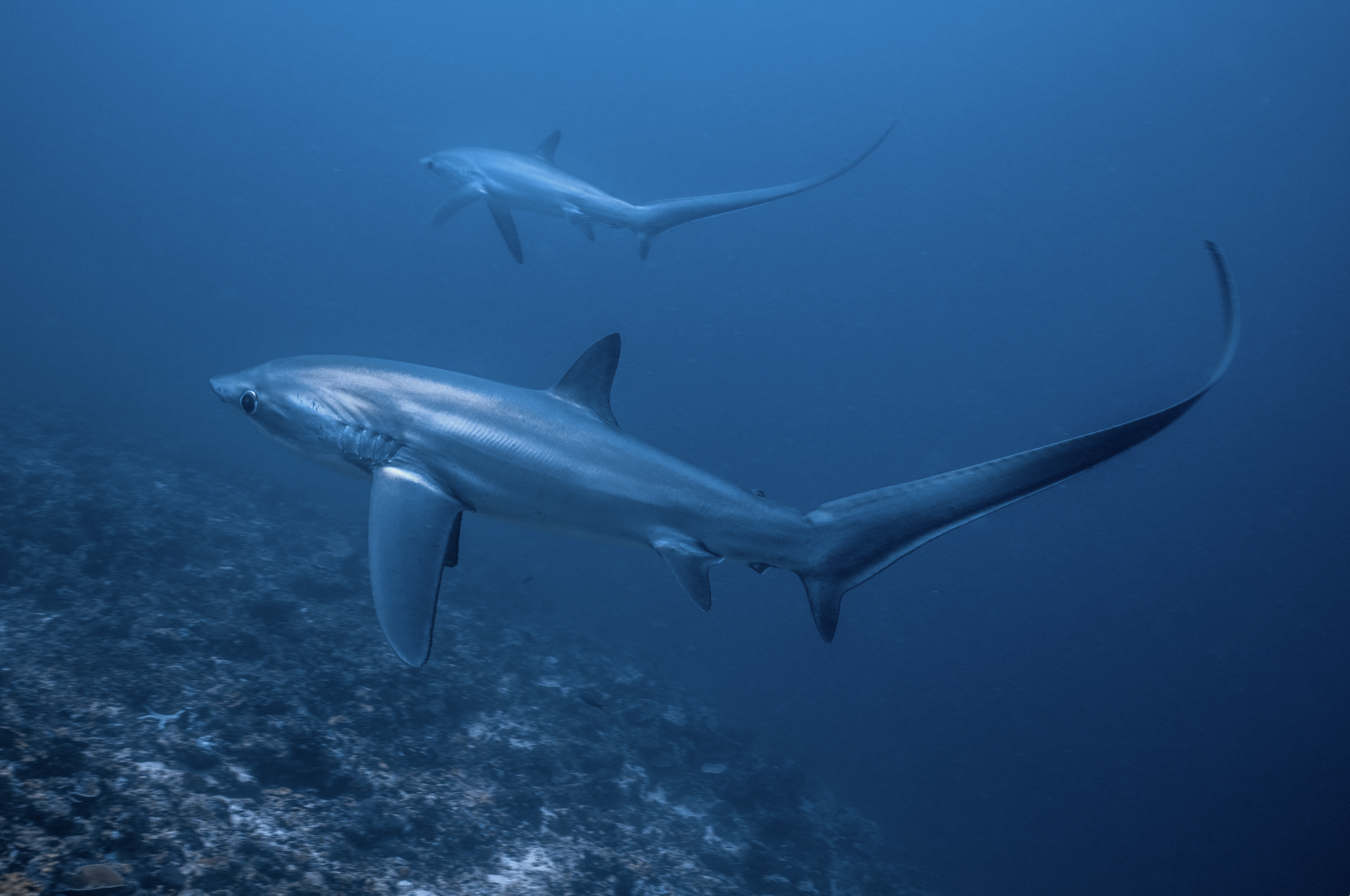
Thresher Shark Indonesia (Indonesia)
Thresher Shark Indonesia conserves thresher sharks at Alor, East Nusa Tenggara, by providing policy recommendations through the studies of satellite and acoustic tagging technology and underwater surveys, as well as providing alternative livelihood solutions for shark-dependent communities in Indonesia.
-
![]()
Yayasan Konservasi Alam Nusantara (Indonesia)
Yayasan Konservasi Alam Nusantara (YKAN), The Nature Conservancy’s main partner in Indonesia, was established in 2014 with the mission to protect the lands and waters on which all life depends.
-
![]()
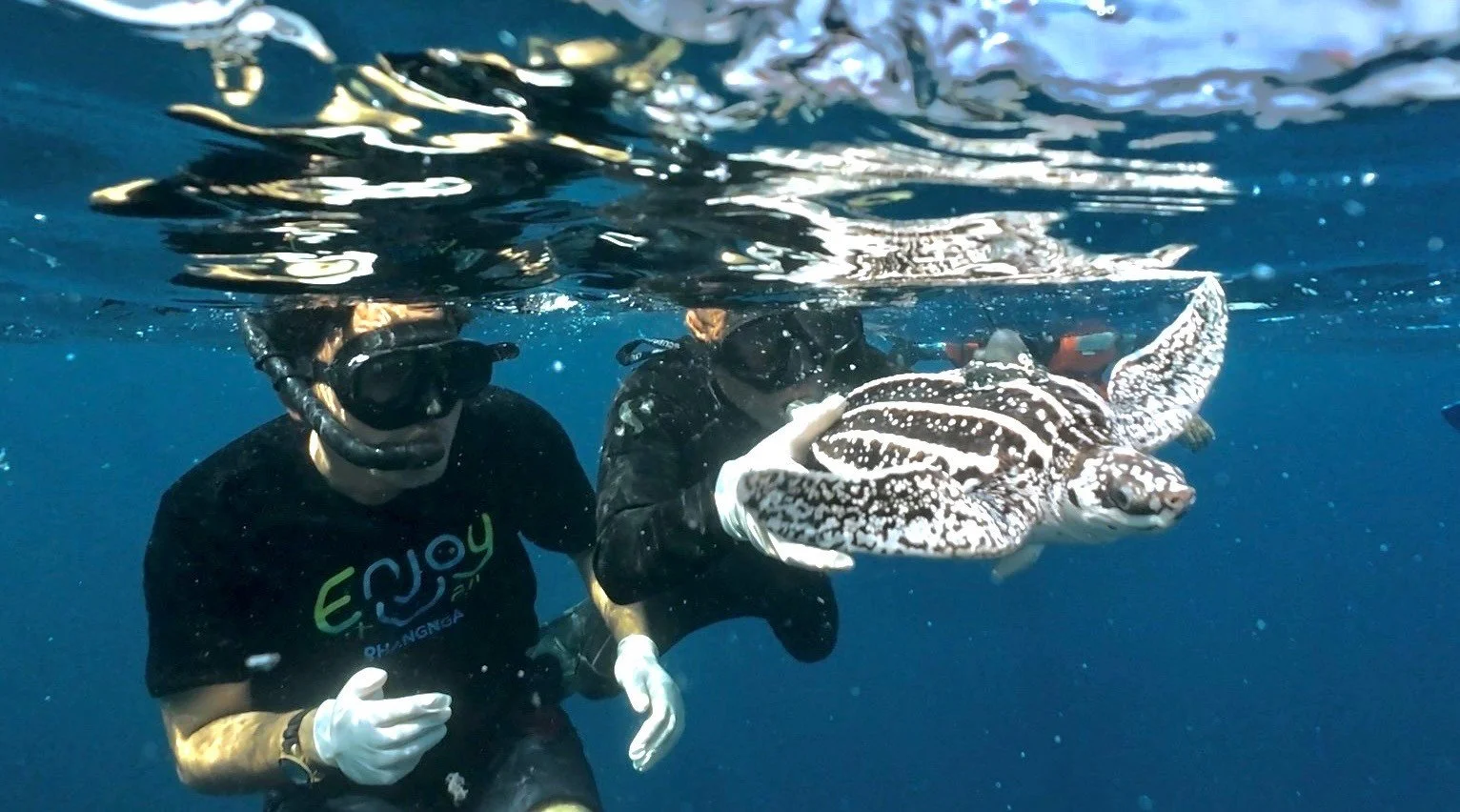
Upwell (Thailand)
Upwell protects and recovers endangered populations of turtles through research and conservation actions that reduce threats at sea.
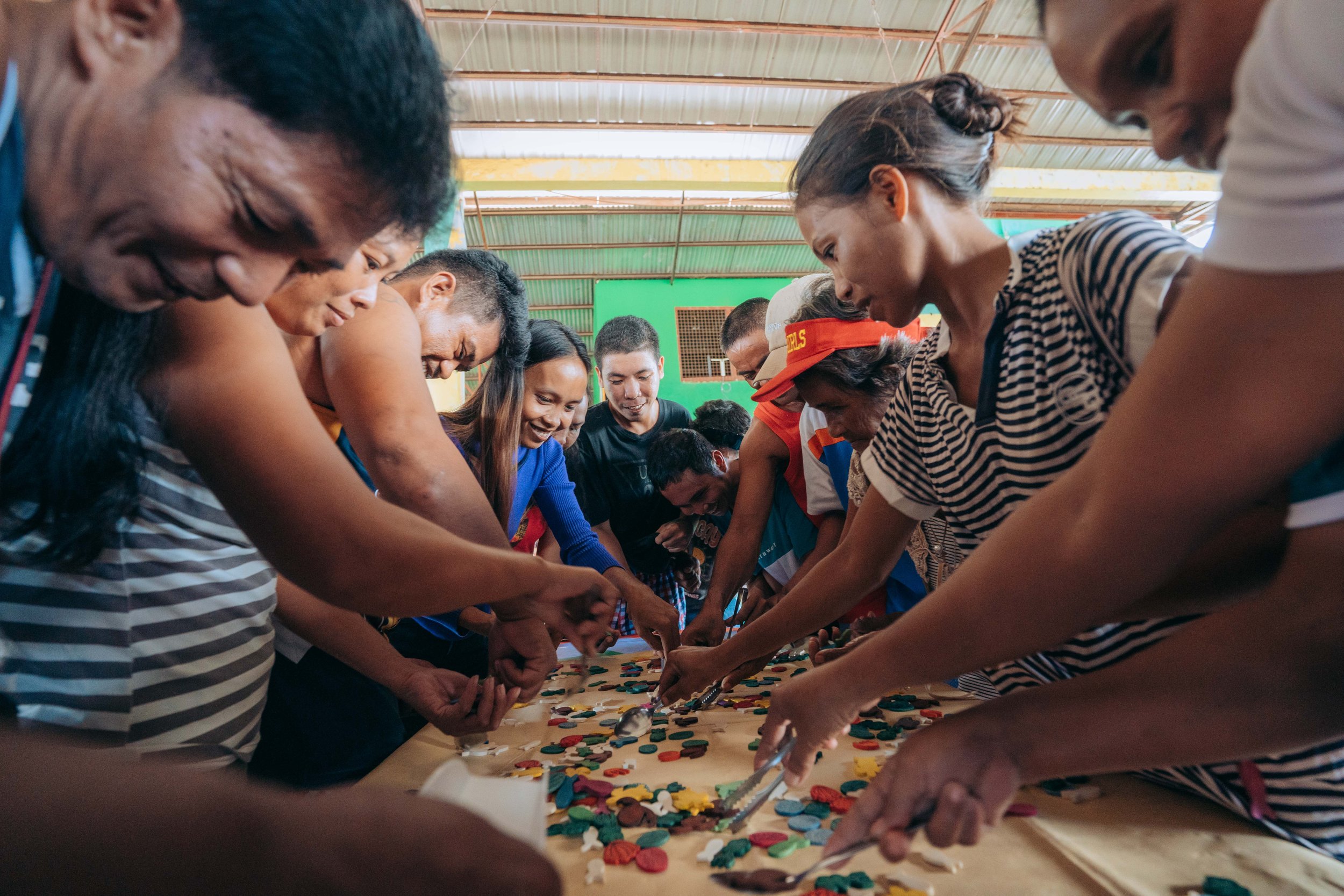
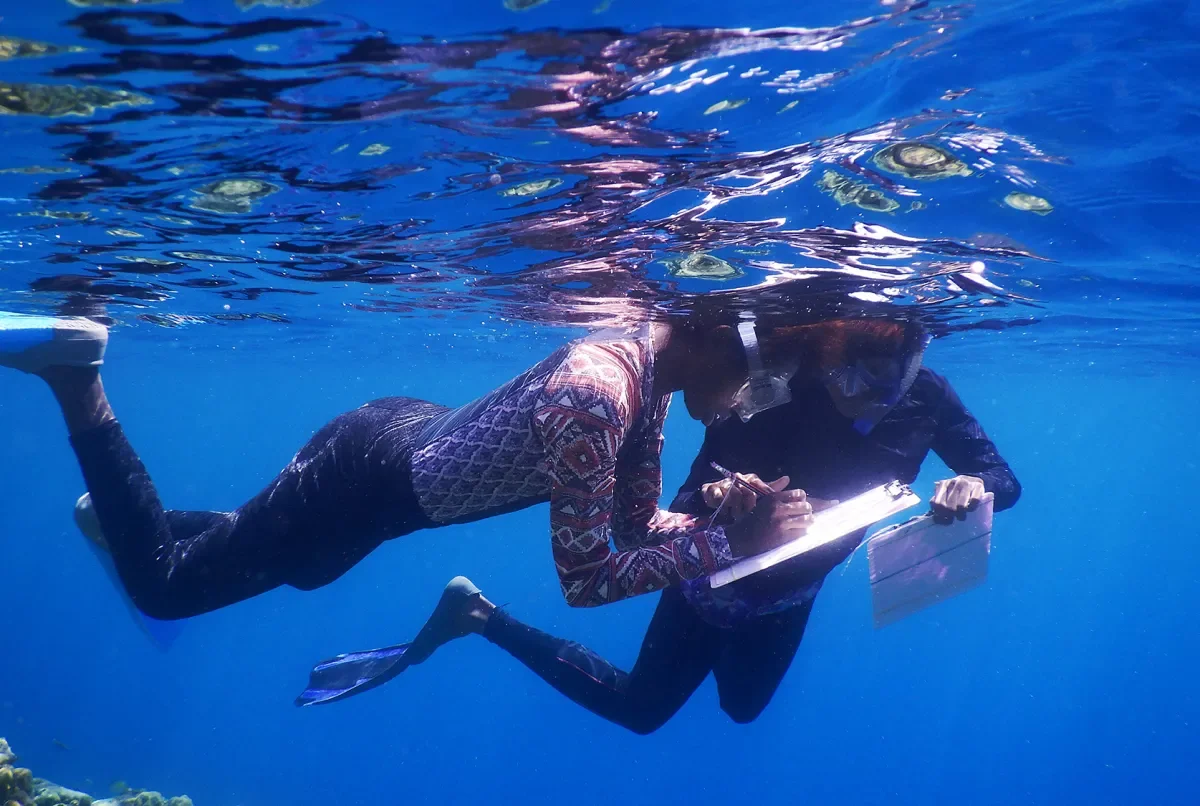
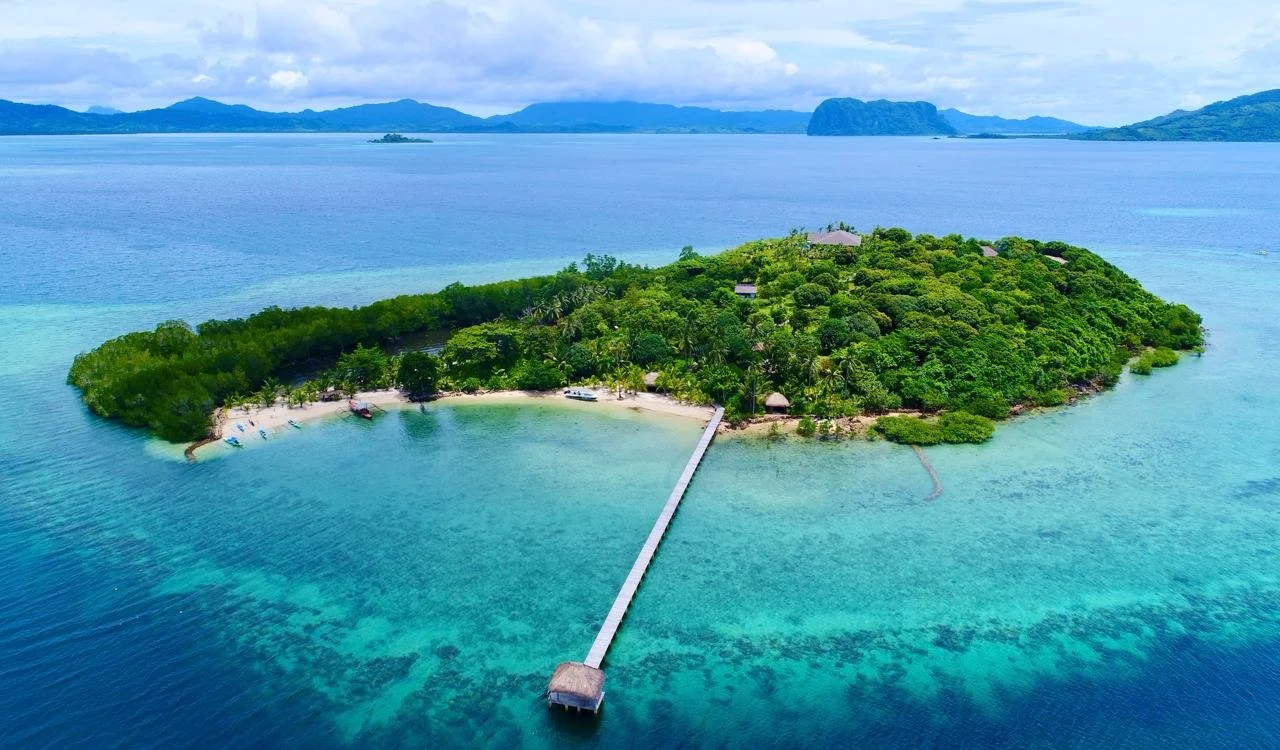
Researchers
-
![]()
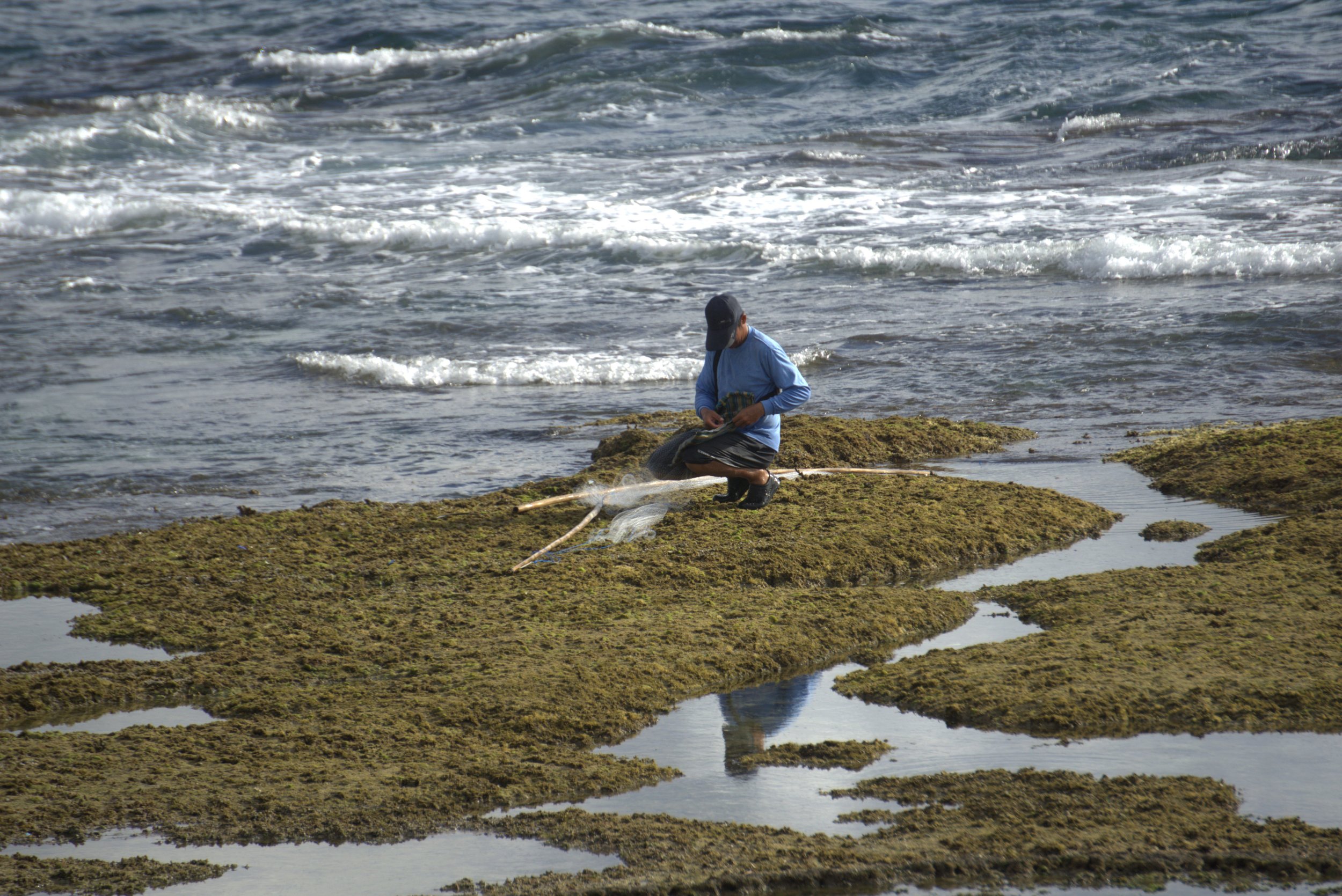
El Andro Obar (Philippines)
El Andro is an Ivatan from the Indigenous People of Batanes, a fisherman, a registered fisheries professional, and an advocate of sustainable fisheries. Through his new study, “Pole-held Cast Net Fisheries in Batanes Province, Philippines,” presents the first systematic documentation and fisheries assessment of the pole-held cast net fishery, locally known as nanaúy/nanawuy, practised by the Ivatan people in Batanes Province, northern Philippines.
-
![]()
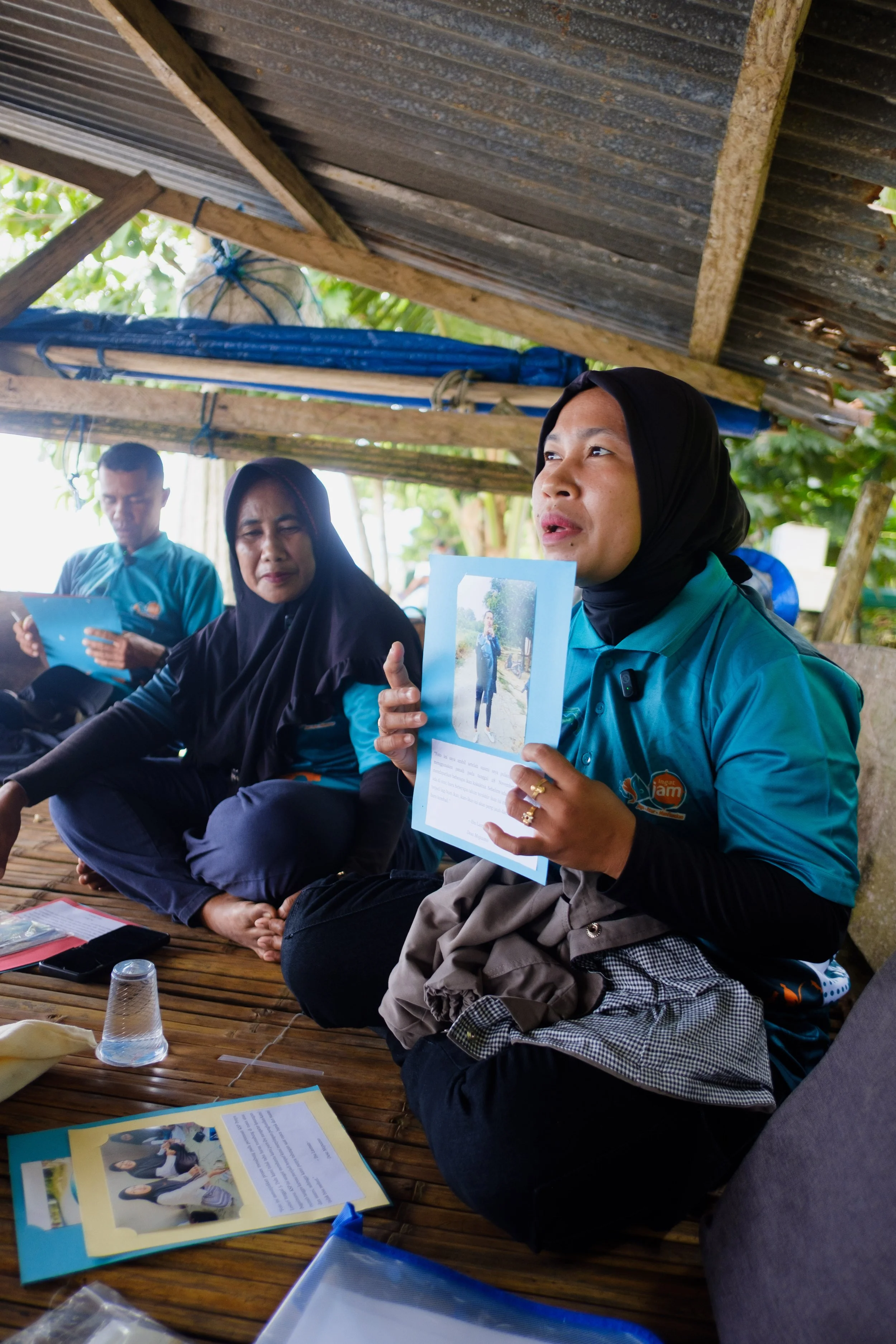
Gwendolyn Chow (Indonesia)
Gwendolyn Chow is a Singaporean pursuing her M.S. in Coastal Science and Policy at the University of California. Her project evaluates the socio-ecological impacts of Managed Access with Reserves (MA+R) in Southwest Sulawesi, Indonesia. Partnering with NGO Rare's Fish Forever programme as well as coastal communities, she is piloting a participatory photo assessment to document local stories of environmental and social change. Findings will strengthen the recognition of MA+R's as Other Effective Area-Based Conservation Measures (OECMs).
-
![]()
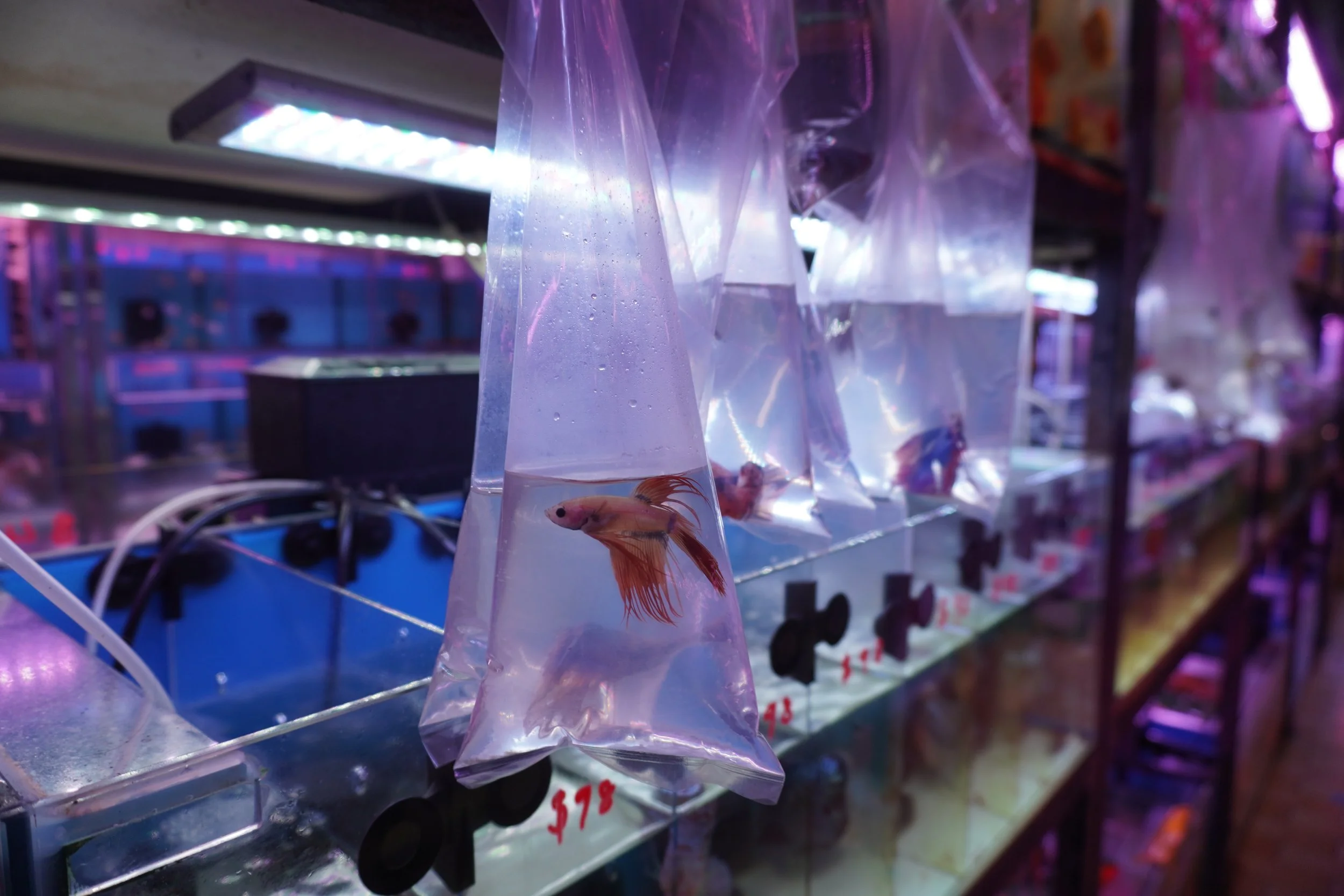
Naomi Clark-Shen (Singapore)
Betta fish (a.k.a Siamese fighting fish) are commonly sold and kept in small, empty jars and bags. Naomi’s research aimed to determine how detrimental such housing is to their welfare, through behavioural observations of fish in tanks of varying sizes and furnishings. Her findings revealed that when in small, empty tanks, betta fish exhibit signs of stress and boredom. These findings were published in an academic journal, used to suggest policy changes within Singapore, and featured in campaigns which reached over 14 million viewers.
-
![]()
Rushan bin Abdul Rahman (Malaysia)
Rushan is a Singaporean studying marine turtles for his PhD at James Cook University, with a focus on identifying Important Marine Turtle Areas (IMTAs) in Southeast Asia. One IMTA of interest is in the Semporna seascape of Sabah, Malaysia. There, he works to help develop protected areas that protect both people and turtles by using scientific data on turtle locations while also considering the socioeconomic and cultural needs of local communities.
-
![]()
Shamil Arif bin Muhamad (Malaysia)
Shamil is currently pursuing an MSc in Marine Science at the Borneo Marine Institute, Universiti Malaysia Sabah. His research examines the ecological and socio-economic impacts of green turtle grazing on seaweed farms in Semporna, Sabah, integrating conservation biology, human–wildlife conflict, and local ecological knowledge. The work will provide new scientific insights while offering applied guidance to support sustainable seaweed farming and turtle conservation in conflict-prone areas.
-
![]()
Shermaine Than (Philippines)
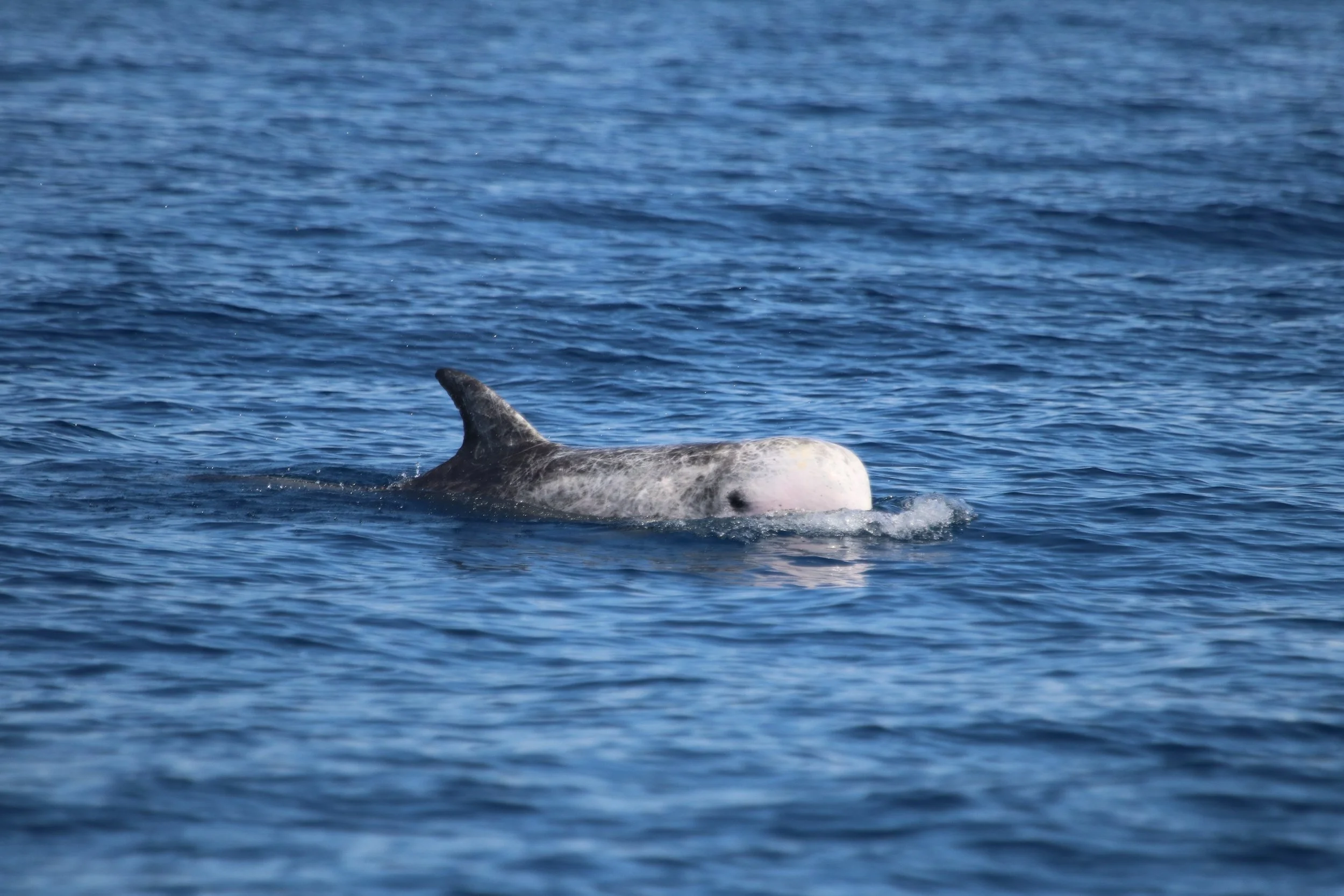
Shermaine is a Singaporean currently pursuing a Master’s in Marine Biology at James Cook University, Australia. As part of her thesis, she has partnered with BALYENA.ORG, a non-profit organisation based in the Philippines, to estimate the population of Risso’s dolphin (Grampus griseus) in the Bohol Sea. Her research will also contribute to the Philippines’ National Red List reassessment of the species and a local photo-identification catalogue will be established as part of the project.
Image credit: Angelico C. Tiongson and BALYENA.ORG -
![]()
Thanh Hien Nguyen (Vietnam)
Hien is a development economist with over 20 years of experience in environmental economics, sustainable rural livelihoods, forest governance, and socio-ecological systems research in Vietnam. He holds a PhD in Agriculture and Economics from the University of New England, Australia. His current work focuses on applying the OECM (Other Effective Area-based Conservation Measures) framework to Vietnam’s coastal lagoon and upland forest communities, generating evidence to support inclusive and effective biodiversity conservation in line with the Kunming–Montreal Global Biodiversity Framework.
Project Locations
Accountability
We are committed to ethical practice in all our ocean conservation work—including how we treat people, wildlife, and the environment. If you have a concern about any of our funded programmes or partners, we encourage you to reach out. All reports are treated with care and confidentiality. Please contact us at integrity@rumahfoundation.org.